
The conversation at the café on Rundle Mall started the way most do in Adelaide – two friends, a flat white each, and a question about whether the new breed of digital pokies is actually worth the hype.”I’ve been playing these new-gen ones on my phone during smoko,” one said, “and honestly, I can’t tell if it’s better or just louder.” That question, louder versus better, is exactly where any honest look at pokies future technology has to begin.
How Future Pokies Will Look, Sound and Feel
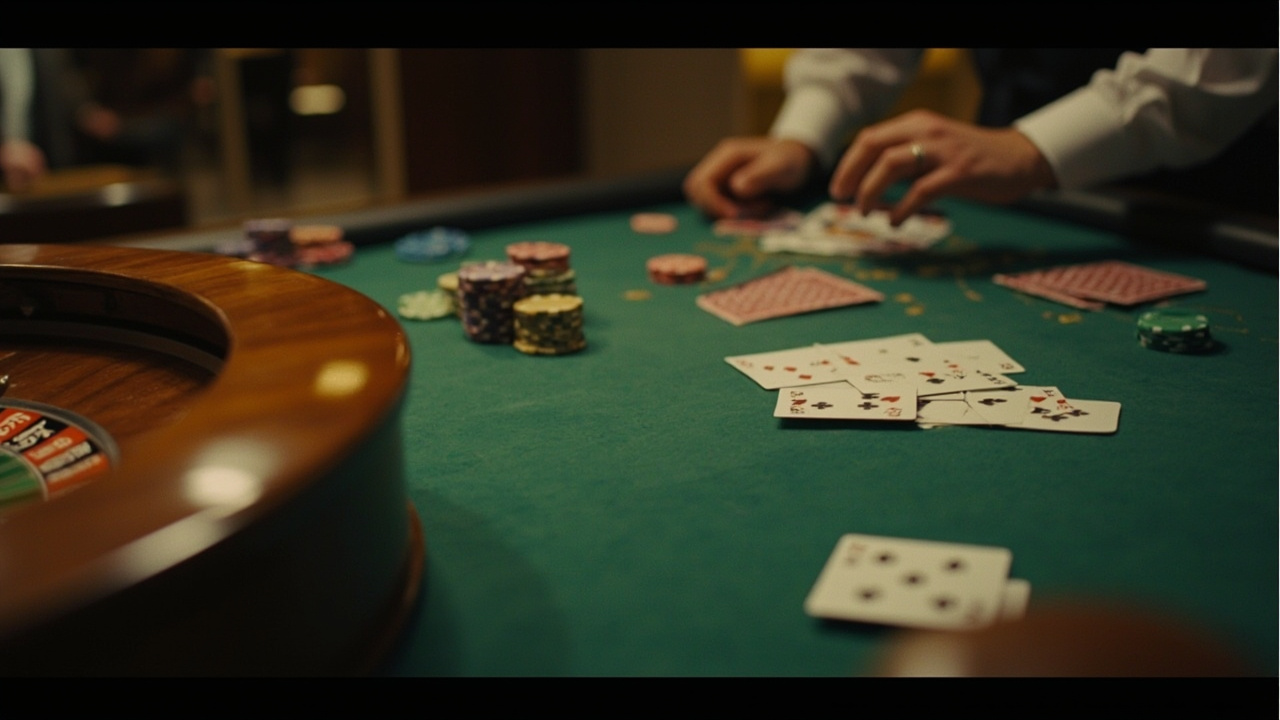
The most visible layer of pokies future technology is visual identity. Lobbies are moving from cluttered grids to single-column scrolls, large hero tiles, and search bars that return what you typed. Crown Sydney was designed as a members’ and VIP gaming venue, and that calm aesthetic is leaking into digital pokie design: darker backgrounds, fewer pop-ups, plain language.
Contrast that with Downtown Las Vegas, where Fremont Street has a giant overhead LED canopy turning the street into a screen. Digital pokies can’t – and shouldn’t – copy that spectacle. What they can borrow is immersion: a well-designed space pulls you in, and a good pokie interface does the same on a six-inch screen.
A proper Australian-facing product shows AUD by default, surfaces Responsible Gambling messages in plain English, and lets you search by volatility or theme. From an FP&A angle, those design choices are cheap relative to the cost of a failed KYC check. A clean interface is a finance feature as much as a UX one. The operator analysis at https://ozwinbonus.org tracks that logic. As Lachlan O’Brien, Strategy Director at Capital Territory Gaming Forum, says: “Players won’t grade a pokie on its art alone, but they will grade it on whether they can find the deposit button without swearing.”
The Questions That Should Drive Your Decision
When you’re sizing up a new pokie platform, three questions will tell you almost everything about whether the tech is real or just marketing.
Does it respect your time and your data?
Registration should be a two-step affair: email, password, and a one-tap age and state confirmation. If you’re uploading a dozen documents before your first spin, the product is built for the operator’s risk team, not for you. Mobile parity matters too – cashier, search, and support should be one thumb-reach away, because most Australian sessions happen on a phone, often on the train home from Glenelg or a coffee stop on North Terrace. Live chat the explanation should be the first support option, with hours that overlap with your arvo.
Is the localisation real or just a flag?
Beyond the AUD toggle, real localisation shows up in game naming, bonus terms that read like a human wrote them, and support hours that don’t vanish at 5pm. Lucas Brown, Lead Gaming Analyst at Tasman Gaming Partners, reckons that “the products winning in Australia are the ones whose bonus copy doesn’t read like a translate job.” Bonus mechanics should be visible: if a “100 free spins” offer hides a 65x wagering requirement in a footnote, no fancy tech saves it. Compare what smarter high-roller pokie machines look like from a finance view, and you’ll see the same rule apply: a localised cashier and a curated library beat a global feed every time.
Is the loyalty loop honest?
Loyalty tiers are easy to fake and hard to police. A useful loyalty layer shows your current tier, your progress, and the actual benefit you earn – not a vague “exclusive rewards” wall. If you can’t see the maths, the maths is probably working against you. A product that publishes its tier thresholds in plain AUD and tells you exactly when you’ll hit the next level treats you like a paying customer, not a metric. From an operator-side FP&A view, the same maths that decides whether a loyalty programme gets budget also decides whether it’s worth your time as a player.
The quickest way to tell whether a platform is doing the work or just selling it is to scan for these signals.
| Question | Strong signal | Weak signal |
|---|---|---|
| Time and data | 2-step sign-up, mobile parity, live chat | Multi-document upload, desktop-only features |
| Localisation | AUD default, AU support hours, plain bonus terms | USD default, EU hours, generic copy |
| Loyalty | Visible progress, named tier benefits, plain-AUD thresholds | Vague tiers, hidden thresholds, “exclusive rewards” walls |
Is This The Right Product For You
Pokies future technology only matters if the rest of the product holds up. If you’re a casual player who spins a few reels on the train home from Glenelg, the things that matter most are quick load times, plain-English bonus terms, and a cashier that doesn’t get in your way. If you’re a session player who blocks out an arvo on the weekend, you’ll care more about search depth, volatility filters, and loyalty progression that actually rewards the time you put in.
The tech itself – token-based wallets, biometric login, adaptive sound design – is interesting, but the wrapper decides whether you stay. A smart product treats you like a busy as adult with a life outside the app, not a target. The less you notice the platform, the better the platform is doing its job. No worries if the first product you try doesn’t quite fit; the market is moving fast enough that a better fit is usually a few taps away. And don’t defo ignore the Responsible Gambling tools – deposit limits and time-out buttons should be two clicks away, not buried in a footer.
Peter Hughes writes from an Easygo-style operator-side FP&A, accounting, tax, iGaming, and sportsbook finance background. From that angle, the cost of acquisition and revenue-per-user maths that sits underneath a pokie platform is what decides whether new tech gets rolled out at scale. If the interface is faster, the localisation cleaner, and the loyalty loop honest, the numbers tend to follow. No amount of clever animation will fix that maths.